For years, the electric vehicle sector has raced toward innovation and affordability, and the VinFast VF3 enters this arena as a compelling urban EV choice. With a compact design and efficiency focus, the VF3 aims to offer city drivers a smart alternative to traditional cars and EV competitors. Built by Vietnamese automaker VinFast, the VF3 is already generating notable buzz among buyers globally.
In India specifically, the mini electric SUV is slated for a launch in early 2026, priced roughly between ₹7.50 – ₹10 lakh depending on configuration and features.
What Is the VinFast VF3?
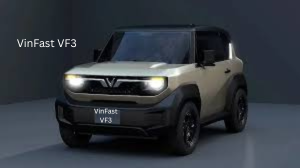
The VinFast VF3 is a two-door, four-seat micro electric SUV designed for crowded urban environments while delivering fresh EV innovation. It blends a rugged silhouette with efficient electric performance and a surprisingly roomy interior given its compact footprint. This combination makes it suitable for daily commutes, short family trips, and ride-hailing services.
The VF3 carries VinFast’s goal of producing affordable EVs that can compete with other budget electric options like the MG Comet EV
Design and Exterior Highlights
The VF3 stands out with a bold, boxy appearance that maximizes interior space and urban practicality. Its upright stance, 16-inch wheels, and elevated ground clearance add visual presence and improve ride comfort. LED lighting and a closed grille showcase an EV-centric design that balances form and function.
Key Exterior Specs Table
| Feature | Specification |
|---|---|
| Structure | Boxy micro SUV |
| Doors | Two |
| Wheels | 16-inch alloys |
| Ground Clearance | ~191 mm |
| LED Lighting | Yes |
| Compact Dimensions | ~3190 mm length |
This bold design helps the VF3 achieve increased visibility and ease of parking in dense city settings.
Interior Comfort & Tech
Stepping inside, drivers find a modern, minimalist cabin with key tech features designed for daily comfort and practicality. A large 10-inch touchscreen infotainment system supports Android Auto and Apple CarPlay, promoting seamless smartphone connectivity.
VinFast engineers also integrate a clear digital instrument cluster and an ergonomic two-spoke steering wheel for easy controls while driving. Although simple, the interior focuses on comfort and functionality.
Powertrain, Battery & Performance
At its core, the VF3 employs a rear-wheel-drive electric motor and a battery pack optimized for city driving efficiency. Maximum power and torque figures vary by market, but a common global configuration produces sufficient performance for urban roads
Performance and Range Snapshot
| Metric | Value (Approx.) |
|---|---|
| Motor Type | Single electric motor |
| Approx. Power | ~43 hp |
| Torque | ~110 Nm |
| Battery Capacity | ~18.64 kWh |
| Claimed Range | ~210–215 km per charge |
| Fast Charging (10 – 70 %) | ~36 minutes |
The range makes the VF3 ideally suited for daily commutes and short trips in urban locales, though it is not built for long highway travel.
Safety Features
Safety for smaller EVs is essential, and the VF3 includes basic protective technologies that help drivers and passengers stay safe, especially in city traffic. While independent crash ratings are still pending, standard safety equipment typically includes:
Multiple airbags
Anti-lock Braking System (ABS)
EBD (Electronic Brakeforce Distribution)
Rear parking sensors and camera
These features represent a strong safety baseline for vehicles in this class.
Price and Launch in India
VinFast has not confirmed exact figures for India, but data suggests the VF3 will be priced strategically to enter the budget EV segment. Current expectations place its ex-showroom price between ₹7.50 – ₹10 lakh for the Indian market.
Launch timing remains tentative, with dates ranging from late 2025 to early 2026 depending on production and homologation progress.
Demand Trends and Market Interest
Interest in the VF3 has already emerged among potential buyers in India. Informal polls on automotive sites show over 80 % interest in VF3 among respondents, with nearly half considering the pricing reasonable.
Interest in VF3 (Based on survey responses)
————————-
Interested: 85% ████████
Design liked: 87% ████████
Price reasonable: 48% ████
Early attention signals that the VF3 could be a credible option for budget-focused EV buyers.
Competitor Comparison
Understanding the competitive landscape clarifies the VF3’s market potential. Below is a quick comparison with peers like the MG Comet EV and other micro EVs.
| Model | Price Range (₹ L) | 0–200 km Range | Seating | Notes |
|---|---|---|---|---|
| VinFast VF3 | 7.5–10.0 | ~210–215 km | 4 | Strong urban focus |
| MG Comet EV | 8.0–10.0 | ~200 km | 4 | Popular compact choice |
| Tata Tiago EV | 8.5–12.0 | ~250 km | 4 | Larger EV option |
This comparison shows VF3 sits competitively at the lower price bracket, aiming squarely at city drivers.
Pros and Cons of VinFast VF3
To help potential buyers decide, here are succinct pros and cons.
Pros
• Affordable estimated price
• Strong interest and early demand
• Good range for city use
• Compact design aids parking
Cons
• Not built for long highway runs
• Independent safety ratings not yet confirmed
• Competition from established EV brands
The VinFast VF3 represents a thoughtful entry in the micro electric SUV space. Combining compact design, urban practicality, EV power, and a competitive price range, it holds the potential to attract urban Indian buyers alongside global markets. Key features like a tech-rich interior, efficient performance, and strong design further boost its appeal.
With an expected India launch in early 2026 and pricing set around ₹7.5 – ₹10 lakh, the VF3 could help accelerate EV adoption among budget-focused drivers.